
Chronic Pain
Integrative Pain Management for Fort Walton Beach Women: Condition Guide
By developer6 min read
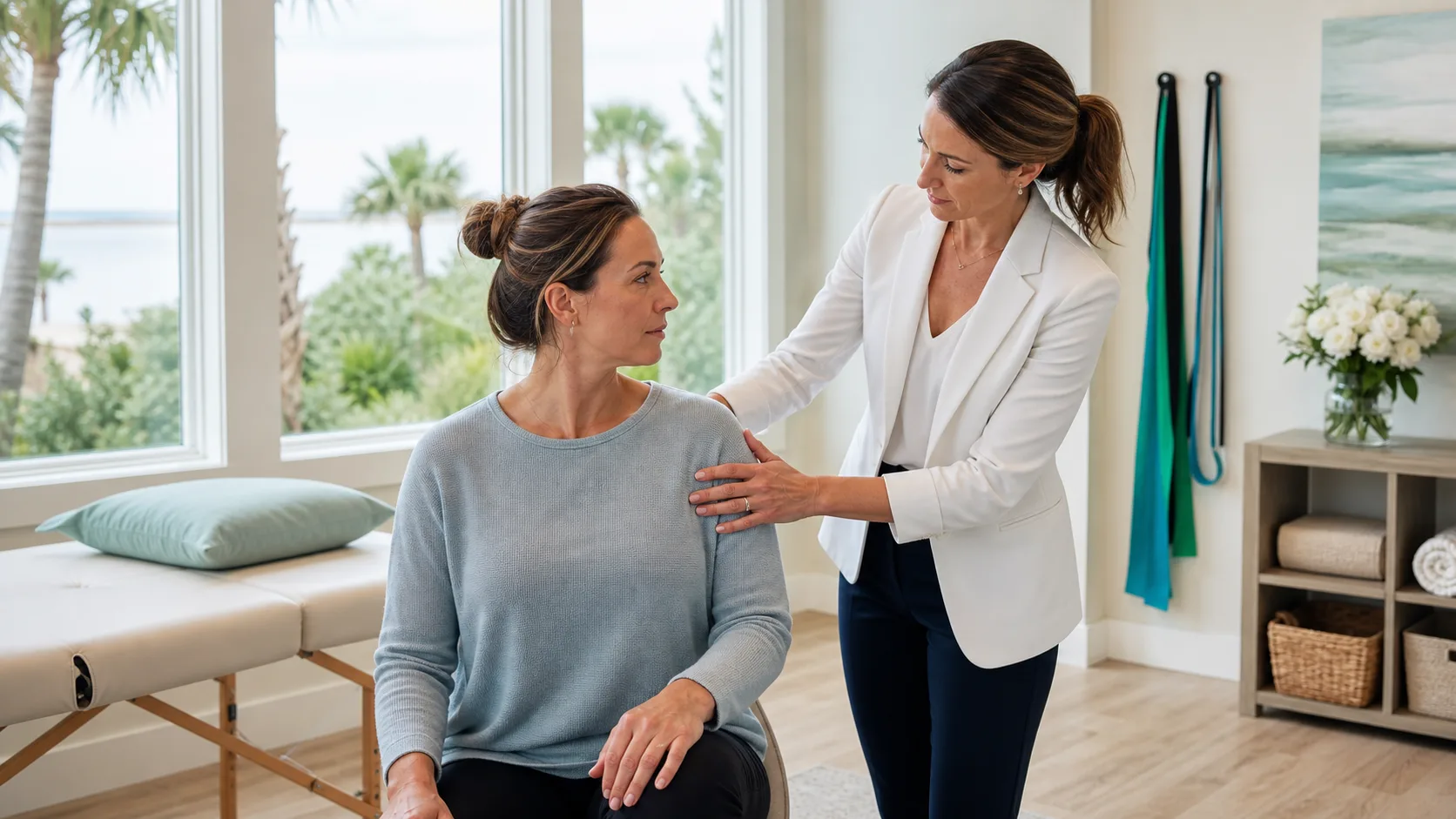
Chronic pain can make even simple Gulf Coast days feel hard. Headaches, pelvic pain, endometriosis, and aching joints can turn beach walks, fall festivals, school events, and holiday gatherings into something you push through instead of enjoy. Many women in Fort Walton Beach are used to just “dealing with it” and popping quick pain pills to get by.
There is another way. Integrative pain management looks at your whole body and daily life, not just the symptom of pain. It blends medical care, rehab, and gentle alternative therapies to reduce pain without surgery or opioids. In this guide, we will walk through how an integrative approach can help with migraines, pelvic pain, endometriosis, and arthritis, and how different therapies can match different needs for women’s health in Fort Walton Beach.
What Integrative Pain Management Means for Women
Integrative pain care focuses on the big picture. Instead of only asking “Where does it hurt?”, we ask “Why is it hurting, and what in your life is feeding that pattern?” We look at how your body, mind, and habits all connect. At its core, integrative care aims to treat root causes rather than only masking pain, while supporting the whole person, especially sleep, stress, hormones, and movement. It also blends medical, rehab, and soft-tissue or alternative therapies, and it works best when providers operate as a coordinated team so your care feels clear and aligned.
For women, pain is often linked to life phases and hormone shifts. Changes in monthly cycles and birth control, pregnancy and postpartum body changes, and perimenopause and menopause can all affect how you carry yourself, how you sleep, and how you heal. High stress from work, caregiving, or irregular schedules can add to those changes and keep pain patterns going.
In our clinic model, medical providers, rehab specialists, and hands-on therapy providers work together. We share notes, track what is helping, and adjust your plan so it stays realistic for your energy, family responsibilities, and work.
Migraines and Hormone-Linked Headaches
For many women, migraines or bad headaches hit around their cycle, during stressful school or work seasons, or after long days on screens. Gulf Coast weather changes, bright sun, and humidity can also play a role. Over time, you may notice a pattern: a big deadline, poor sleep, then a migraine that ruins your weekend plans or a long-awaited beach day.
Common migraine triggers include:
- Hormone changes through the month
- Bright light and glare
- Poor posture at desks or on phones
- Stress spikes around the holidays
- Certain foods, drinks, or skipped meals
At our clinic, migraine care often includes a mix of approaches that reduce triggers and ease strain through the neck, upper back, and surrounding soft tissue. When appropriate, we also include nerve-focused and non-opioid medical treatments.
Migraine care options often include:
- Lifestyle and nutrition support to reduce triggers
- Gentle spinal and postural rehab to ease strain in the neck and upper back
- Soft-tissue work around the neck, shoulders, and jaw
- Nerve-focused and non-opioid medical treatments when appropriate
We also usually ask women to track a few simple details so we can spot patterns that are easy to miss in day-to-day life.
Common tracking points include:
- Headache days
- Cycle timing
- Foods and drinks
- Sleep quality
- Stress levels
This kind of simple journal helps us connect the dots. Then we can build a plan to slowly reduce migraine frequency and intensity, instead of only reacting when the pain hits.
Pelvic Pain and Endometriosis Relief Beyond Surgery
Pelvic pain is often brushed off as “just cramps,” which can delay care. Chronic pelvic pain is ongoing pain in the lower belly or pelvic area that lasts for months. Endometriosis is one possible cause, where tissue similar to the lining of the uterus grows in places it should not. Both can affect daily life far beyond your period week.
Some symptoms get dismissed because they can seem “normal,” but they can be important signals that something needs attention.
Symptoms women often dismiss include:
- Period pain that keeps you from normal tasks
- Pain with exercise or core workouts
- Pain during or after intimacy
- Pelvic or low back pain with long sitting at a desk or in the car
Integrative options can support medical care and sometimes help reduce the need for more aggressive steps. The goal is to address muscle tension, nerve sensitivity, inflammation patterns, and how the pelvic floor coordinates during movement and daily life.
Integrative options may include:
- Pelvic floor-focused rehab to teach muscles to relax and coordinate
- Myofascial and trigger-point therapies to release tight or painful areas
- Anti-inflammatory nutrition guidance tailored to your body’s response
- Nerve-focused, non-opioid medical treatments when appropriate
We know pelvic pain is often tied to past experiences and can feel sensitive to discuss. A trauma-informed, respectful approach gives you space to share what you are comfortable sharing, at your pace. When needed, we coordinate with gynecologists and other specialists so your care feels like a team effort and not a series of disconnected visits.
Arthritis and Joint Pain From Beach to Boardroom
Arthritis is a common cause of joint pain in knees, hips, hands, and the spine. Osteoarthritis is more of a “wear and tear” type, where the joint surfaces change over time. Inflammatory arthritis involves the immune system and can create swelling, warmth, and stiffness. Both can make it harder to walk on the sand, kneel to play with kids, or stand while cooking big holiday meals.
Many women notice:
- Morning stiffness that eases as they move
- Pain with stairs, squatting, or lifting
- Hand pain with typing, crafting, or cooking
- Achy joints after longer car rides or flights
Non-surgical options at an integrative clinic typically focus on keeping you active while protecting the joint and managing flare-ups. Depending on your needs, that can include strengthening, movement retraining, and non-opioid pain strategies, with regenerative or injection-based options when appropriate.
Non-surgical options may include:
- Joint-supportive rehab and gentle strengthening
- Corrective movement training for walking, standing, and lifting
- Regenerative or injection-based options when appropriate
- Non-opioid strategies to manage pain and flare-ups
We talk a lot about realistic goals, because success often looks like getting back to everyday activities with less pain and more confidence.
Realistic goals may include:
- Walking the beach with less discomfort
- Getting up and down from the floor more easily
- Enjoying fall festivals, parades, and family trips
- Protecting joints during decorating, shopping, and cooking seasons
Smart pacing, better body mechanics, and the right mix of therapies can help you stay active without pushing your joints into constant flare.
Choosing the Right Therapy Mix for Your Body
No two women have the exact same pain pattern, even with the same diagnosis. That is why we start by listening. We ask about your health history, daily routine, stress, sleep, and what you want to be able to do that pain is blocking right now. From there, we match therapies to your main concerns and often build “care paths” that include 2 to 4 therapies working together instead of one big, aggressive step. This lets you ease into change and see which pieces help the most.
Examples of therapy mixes include:
Migraines: posture and neck rehab, stress management tools, lifestyle and nutrition changes, and targeted non-opioid treatments
Pelvic pain or endometriosis: pelvic floor rehab, myofascial and trigger-point work, anti-inflammatory eating guidance, and nerve-focused options
Arthritis: strength training around the joint, joint-friendly injections when appropriate, gait and movement retraining, and flare-up planning
It is also important to know when not to wait. Red flags that mean it is time to get checked include:
- Sudden, severe pain that feels very different from your normal
- New numbness, tingling, or weakness in your arms, legs, or face
- Pain that wakes you from sleep or keeps you from working
- Headaches with vision changes, trouble speaking, or balance issues
Early integrative care can sometimes keep a small issue from becoming a long-term, life-changing problem. For many women’s health concerns in Fort Walton Beach, taking that first step toward support can open the door to more active, comfortable Gulf Coast living again.
Take The Next Step Toward Better Women’s Health
If you are ready for personalized, compassionate support at every stage of life, our team at White Sands Integrative is here to help. Explore how our integrative approach to women’s health in Fort Walton Beach can address your unique needs and goals. To schedule a visit or ask questions before you come in, simply contact us today.
Recent Blogs
Fort Walton Beach Well-being: Enhance Health with Physical Therapy
Welcome to White Sands Integrative Medical, where we are committed to helping our Fort Walton Beach community achieve optimal health and well-being. Today, we want…
Learn more: Fort Walton Beach Well-being: Enhance Health with Physical TherapyWave Goodbye to Pain: The Healing Power of Shockwave Therapy
In the heart of Fort Walton Beach, FL, White Sands Integrative Medical is at the forefront of providing innovative treatments to help you manage pain…
Learn more: Wave Goodbye to Pain: The Healing Power of Shockwave TherapyRevitalize Your Health: The Power of PRP Injections at White Sands Integrative Medical
Welcome to White Sands Integrative Medical, your trusted chiropractic clinic in Fort Walton Beach, FL. As the leading provider of integrative medical solutions in the…
Learn more: Revitalize Your Health: The Power of PRP Injections at White Sands Integrative Medical
Ready to Feel Better?
Schedule your visit at White Sands Integrative Medical in Fort Walton Beach, FL or call our team with any questions.