
Hormone-Related Pain in Fort Walton Beach: Cycles, Perimenopause & Menopause
6 min read
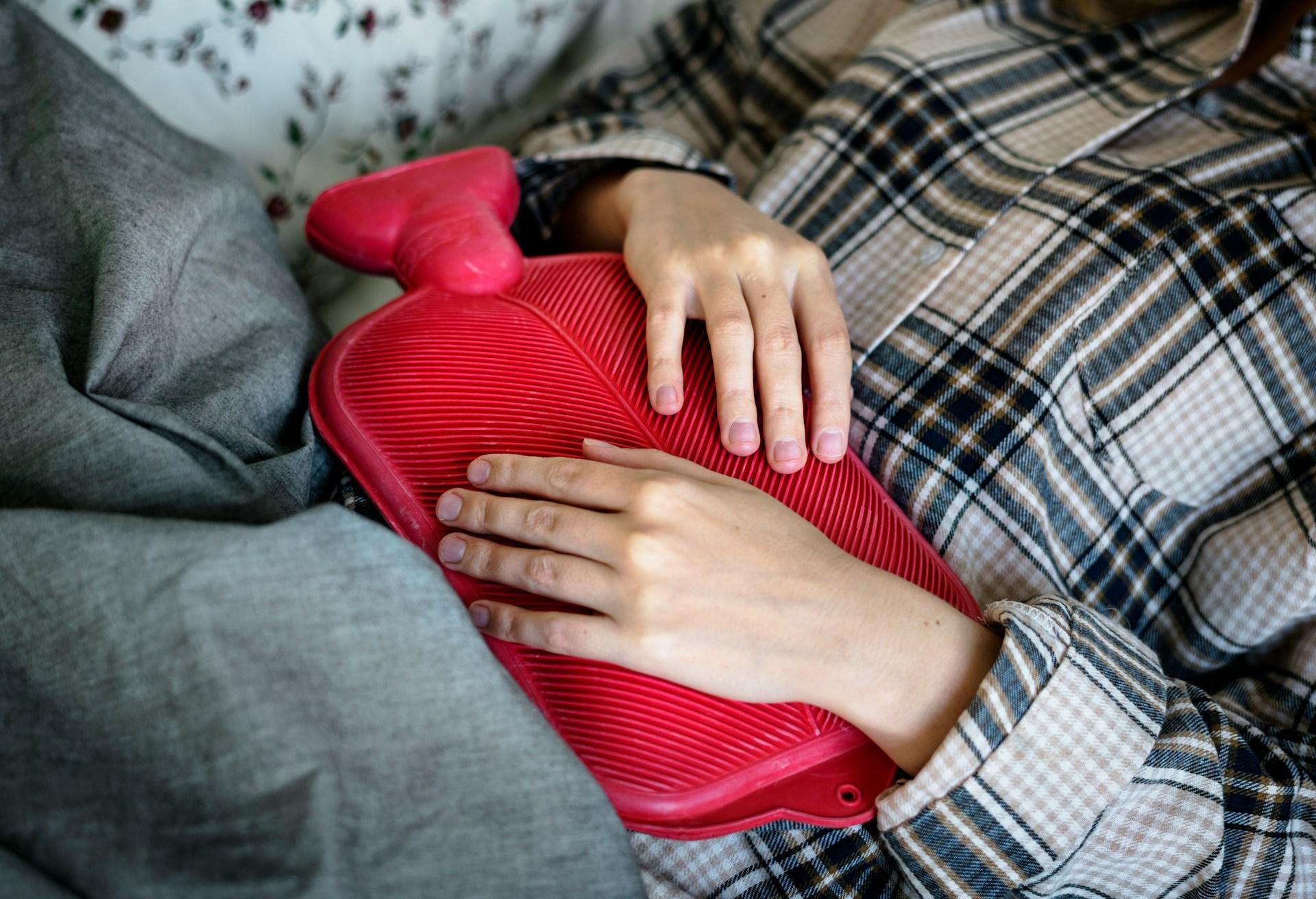
Hormone shifts can make pain louder. Many women feel this in their joints, back, head, pelvis, and even in everyday energy levels. When hormones change during the month or across different life stages, pain can change too. That can make work, parenting, exercise, and holiday plans around Fort Walton Beach feel much harder than they need to be.
We see this often with women in their 20s through their 60s. Menstrual cycles, perimenopause, and menopause all affect the nervous system, inflammation, and how muscles and joints feel. The good news is that there are ways to support your body so you are not stuck “just dealing with it” or relying only on pain pills. At our clinic, we look for root causes of musculoskeletal pain, including hormone-related triggers, and we adjust care to match each season of life.
When Hormones and Pain Collide
Hormones act like messages in the body. When they rise and fall, the nervous system, muscles, and joints feel it. For many women, this means times of the month or life stages when pain, stiffness, and fatigue are simply worse.
Hormone-related pain can show up as:
- Ongoing low back or neck pain that flares at certain times
- Joint stiffness that feels worse after sitting, then eases with movement
- Headaches or migraines that follow a clear pattern
- Pelvic or hip pain that tracks with cycles or life changes
These pain spikes can affect work days, caretaking, sleep, and the active outdoor lifestyle so many people enjoy here. When it gets busy around the holidays and you want to feel your best for family time, travel, or long beach walks, these flares can feel especially frustrating.
An integrative approach looks beyond a single body part. It connects pain to hormones, stress, movement habits, sleep, and more. That is the kind of perspective we bring to women’s health in Fort Walton Beach.
How Menstrual Cycles Can Turn up the Pain Volume
Across a typical menstrual cycle, estrogen and progesterone levels rise and fall. As these hormones shift, pain sensitivity and inflammation can shift too. Many women feel more cramps, back pain, and headaches right before and during their period, when hormones drop.
Common patterns women notice include:
- Pain flares at the same point in the cycle each month
- More neck and shoulder tension before a period
- Increased headaches or migraines around the same few days
- Pelvic or hip pain that makes sitting or exercise less comfortable
- Slower recovery from workouts during certain weeks
In an integrative clinic, we often suggest tracking symptoms with the cycle. This can help show patterns between hormone shifts and flares. From there, care may focus on things like pelvic alignment, core and hip stability, and muscle tension in the low back and neck. Supporting gut and liver health can also matter, because those areas help process hormones.
Tools that may help with monthly flare-ups include:
- Physical therapy exercises that support the pelvis and spine
- Chiropractic care to improve joint motion and ease strain
- Gentle lifestyle shifts to adjust workouts and rest to the cycle
- Simple changes to sleep habits that help the nervous system calm down
When women understand their own pattern, it becomes easier to plan exercise, chores, and even holiday events in ways that respect the body, rather than fighting it every month.
Perimenopause and Changing Pain Patterns
Perimenopause is the stretch of time when hormones start to shift toward menopause. It often begins in the late 30s or 40s and can last several years. During this time, hormone levels can swing up and down from month to month, not just follow a smooth curve.
This can bring new or changing symptoms, such as:
- Heavier or more irregular periods
- New joint and muscle pain, especially in knees, hips, neck, or low back
- New or different headaches
- Breast tenderness and sleep problems
Fluctuating estrogen can affect collagen, ligaments, and how the body handles inflammation. Joints may feel less stable, and small tasks like lifting kids, carrying groceries, or longer walks can lead to more soreness than before. Many women chalk this up to “just getting older,” but it is often tied to these hormone swings.
An integrative approach during perimenopause may include:
- Targeted rehabilitation for changing joint stability
- Gentle chiropractic adjustments and soft tissue work
- Nutritional support to calm inflammation
- Stress-management tools so the nervous system does not amplify pain signals
Many women in our area are juggling careers, caregiving, and staying active. When we spot perimenopause-related pain early and support the body, we can often keep minor aches from turning into long-term chronic pain down the road.
Menopause, Inflammation, and Long-Term Pain Risks
Menopause is reached when a woman has gone 12 months without a period. After that, estrogen stays at a lower and steadier level. This shift can affect bone density, joint lubrication, muscle mass, and how the body handles inflammation and pain.
Common pain concerns in this stage include:
- Persistent joint stiffness, especially in the morning
- Discomfort linked to arthritis or old injuries
- Neck and back pain that feels more constant
- Higher risk of tendon problems or sprains
Seasonal changes along the Emerald Coast do not usually bring harsh cold, but changes in daylight, routines, and activity around the end of the year can still affect how pain feels. Staying consistent with movement, strength training, and joint support becomes more important than ever.
Non-surgical, integrative care can help protect long-term function by focusing on:
- Individualized rehabilitation plans to build strength and balance
- Postural and movement retraining for daily activities
- Fall-prevention strategies and safe progressions in activity
- Nutritional and lifestyle coaching that supports joints and bones
- Working together with a woman’s primary provider or gynecologist
The goal is to stay strong, mobile, and independent during this phase and beyond.
Natural Ways to Ease Hormone-Related Pain
Lifestyle choices can support the body through every hormonal stage. While each woman needs her own plan, some general themes show up again and again.
Helpful daily habits can include:
- Eating enough protein to support muscle and recovery
- Choosing colorful fruits and vegetables for natural antioxidants
- Including omega-3 fats from food sources
- Staying well hydrated
- Limiting excess sugar and alcohol that can trigger bloating and joint pain
Movement is another key tool. For women’s health in Fort Walton Beach, we often see benefits from:
- Low-impact beach walks or neighborhood walks
- Gentle strength training a few times per week
- Simple mobility work for hips, spine, and shoulders
- Exercises guided by a physical therapy approach to support the core and pelvis
The nervous system also plays a big part in how much pain we feel. Around the holidays, stress and less sleep can spike symptoms. Simple mind-body tools can help, such as:
- Breathing exercises to calm the body
- Short daily routines to unwind before bed
- Stretching or light movement at the end of the day
Hands-on care, like chiropractic adjustments, soft tissue work, and therapeutic exercises, can blend with these holistic strategies. The mix often looks different for menstrual pain, perimenopause, and menopause, because needs change over time.
How White Sands Integrative Supports Women Through Every Season
At White Sands Integrative in Fort Walton Beach, we see many women whose pain connects to hormonal shifts. When we first meet a patient, we take time to understand the full picture. This often includes a detailed health history, including menstrual and symptom patterns, how pain behaves across the month, and how it has changed over the years.
We also look closely at:
- Posture and how the body moves in real life tasks
- Joint and muscle testing to spot weak or overworked areas
- Current activity levels, work demands, and family responsibilities
- Any existing medical workups from other providers
Our team combines medical care, chiropractic, physical therapy, and holistic support to build non-surgical, customized treatment plans. A visit may include gentle adjustments, soft tissue work, pain-mapping, and help with tracking symptoms around the cycle. We often teach personalized rehab exercises and give practical tips for daily activities, like lifting, working at a desk, driving, or enjoying time outside.
When hormone-related pain is part of the picture, we aim to work in step with each woman’s primary provider or OB-GYN when needed. Our focus is on helping women stay active, strong, and as comfortable as possible through every hormonal season of life.
Take The Next Step Toward Personalized Women’s Care
If you are ready for care that listens, explains your options clearly, and respects your goals at every stage of life, we are here to support you. Explore how we approach women's health in Fort Walton Beach and discover what feels right for your needs. At White Sands Integrative, we take time to understand your whole health picture, not just your symptoms. Reach out to our team today through our contact page to schedule your visit or ask a question.
Ready to Feel Better?
Schedule your visit at White Sands Integrative Medical in Fort Walton Beach, FL or call our team with any questions.