
Posture Correction
Everyday Habits Quietly Sabotaging Your Spinal Alignment
By developer5 min read
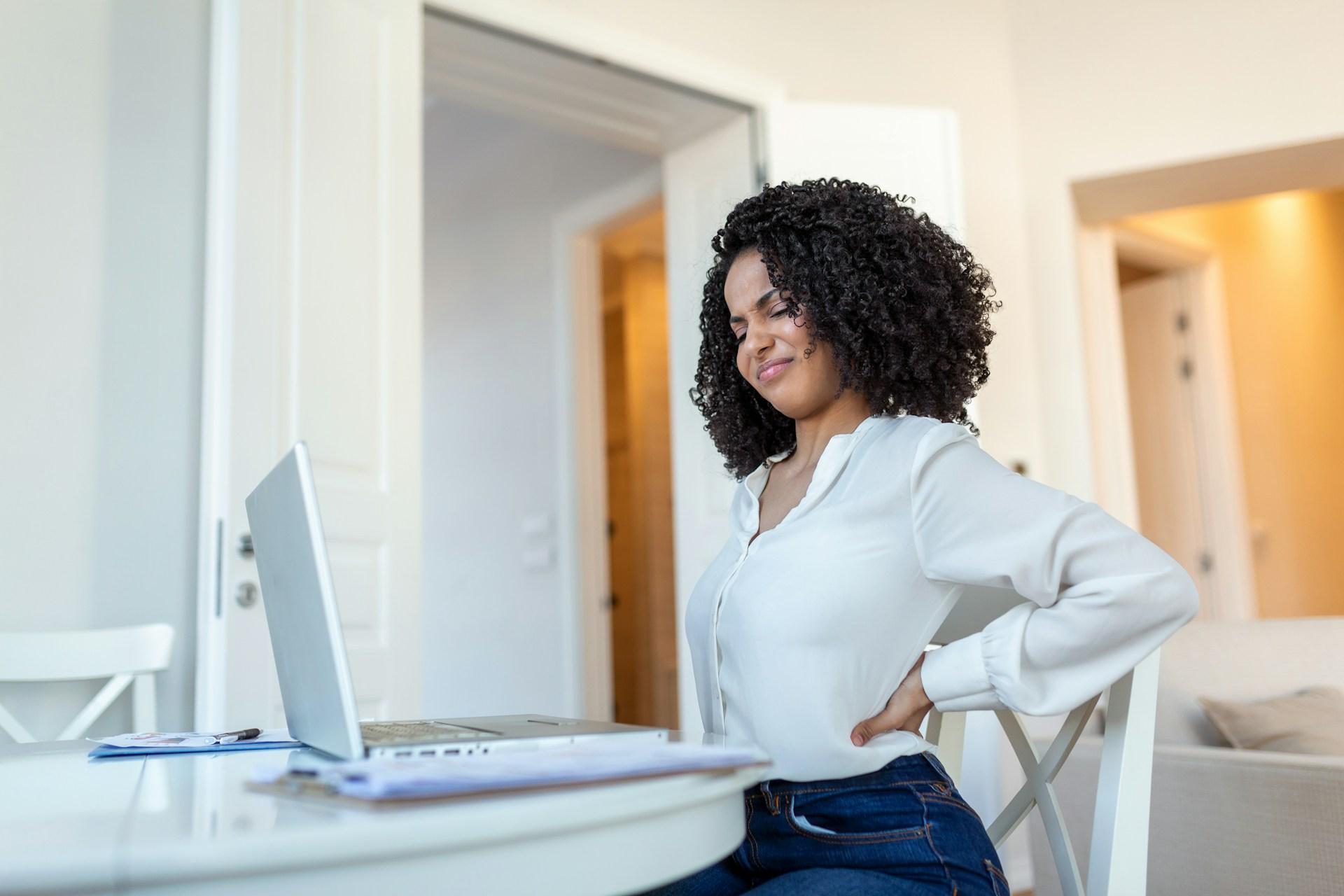
How Everyday Habits Can Reshape Your Spine
Your spine usually does not shift out of alignment in one dramatic moment. It changes a little at a time. The way you sit, stand, drive, scroll on your phone, and even sleep slowly teaches your body a new “normal,” and that new normal is not always healthy.
Small movements, repeated all day, can pull joints out of their best position. Long hours at a desk, leaning over a steering wheel, or bending to lift things in a rush all add up. You might blame age or an old injury, but many spine problems are really lifestyle problems.
In Fort Walton Beach, we see how work, traffic, and active coastal fun all affect spinal alignment and whole-body comfort. At White Sands Integrative, we care about how your daily routine shapes your spine, not just what shows up on an X-ray. Let us walk through some quiet habits that may be working against you and some simple changes that can support better spinal alignment in Fort Walton Beach before summer plans fill your calendar.
Slouching, Screens, and the Summer Desk Routine
Long stretches of sitting are tough on your back, especially when your workspace does not fit your body. When you slouch in a chair, your spine loses its natural curves. This can:
- Compress the discs between your vertebrae
- Strain the joints in your neck and lower back
- Make core and back muscles weaker over time
“Tech neck” is another big issue. This happens when your head drifts forward to see a laptop, tablet, or phone. Even a small forward lean puts extra pressure on the neck and upper back. You might notice:
- Tight shoulders or upper back
- Headaches, especially after screen time
- Tingling or fatigue in the arms or hands
Simple desk changes can help your spine feel more supported. This can be as simple as:
- Set your monitor at eye level, about an arm’s length away
- Adjust your chair so it supports the middle of your back
- Keep feet flat on the floor, not tucked under or stretched out
- Take short movement breaks every 30 to 60 minutes
With more people working remotely, taking online classes, or gaming during long, bright evenings, screen time often climbs in the warmer months. Paying attention to your setup now can keep little posture issues from turning into bigger spinal alignment problems later.
Driving, Commuting, and Beach Trips That Strain Your Back
Sitting in a car can be even harder on your spine than sitting at a desk. In the car, you are locked into one position, dealing with traffic, and often tensing without noticing. Long drives to base, errands along Highway 98, or slow beach traffic can leave your back feeling stuck.
Common driving posture mistakes include:
- Leaning forward over the steering wheel
- Keeping a thick wallet in your back pocket
- Sitting too far from the pedals so you reach with your legs
- Reclining the seat too much and craning your neck to see
These habits twist the pelvis, round the lower back, and strain the neck. Small car adjustments can make a big difference:
- Slightly recline the seat so your hips are just a bit higher than your knees
- Place a small rolled towel or cushion behind your lower back for support
- Remove anything from your back pockets before you sit
- Stop during longer trips to stand, walk, and gently stretch
With better driving posture, you can still enjoy road trips, beach days, and weekend adventures while giving your spine a more balanced position.
Everyday Lifting, Carrying, and Chores That Wear You Down
Most people think of lifting injuries as a one-time event. In reality, the way you lift small and medium things every day often matters more. Carrying groceries, lifting kids, moving coolers and beach gear, or working in the yard can slowly overload the lower back.
The key difference is where you bend from:
- Bending from the hips with a straight, neutral spine spreads the load
- Rounding the back shifts the strain to your discs and ligaments
Over time, repeated poor lifting patterns can stress the joints and make misalignments more likely. Try to:
- Keep items close to your body, not held out in front
- Hinge at your hips, not at your waist
- Use your legs to lift, pushing through your heels
- Avoid twisting while you carry, turn your whole body instead
- Split heavy loads into several lighter trips
Seasonal activities around the coast can be tough on the spine too. Dragging beach chairs through sand, loading boats or paddleboards, or tackling home projects can all add up when done with rounded backs and quick, jerky pulls.
Sleep Positions and Relaxation Habits That Misalign Your Spine
You spend hours every night in one main position, so sleep has a big effect on spinal alignment. A supportive mattress and healthy sleep posture can help your spine rest in a neutral line. Poor positions can undo a whole day of good habits.
Common problem positions include:
Sleeping on your stomach, which forces your neck to twist and can flatten the natural curve in your lower back
Side sleeping without a good pillow, letting your neck tilt and your top shoulder roll forward
Napping on a soft, sagging couch with your head turned and your hips twisted
To give your spine a better break:
Favor sleeping on your back or on your side with support
Use a pillow that keeps your neck in line with your mid-back
If you sleep on your side, place a pillow between your knees to keep hips stacked
Save deep couch lounging for shorter breaks, not long naps
When your spine rests well at night, it is better prepared for active days around Fort Walton Beach, whether you are swimming, walking the pier, or joining a local fitness class.
Hidden Stress, Dehydration, and Inactivity That Tighten Muscles
Not all spinal strain comes from posture. Stress, hydration, and movement patterns quietly affect how your muscles hold your spine.
When stress stays high, your body often tenses, especially in the neck, shoulders, and lower back. Muscles that never fully relax can:
- Pull vertebrae slightly out of their best position
- Limit how easily the spine moves
- Make small misalignments feel more painful
Dehydration and poor nutrition do not help either. Your spinal discs need fluid to stay cushioned. Joints and muscles move better when the body is well hydrated and fueled with balanced meals. Without that, it can be easier for misalignments to form and harder for tissues to recover.
Gentle, regular movement supports a healthier spine. This can be as simple as:
- Walking along the waterfront or through your neighborhood
- Doing easy stretching breaks during the day
- Taking a beginner yoga or mobility class
- Enjoying low-impact swimming or pool time
Many people who want better spinal alignment in Fort Walton Beach are surprised to learn that stress habits, hydration, and simple daily movement matter just as much as having strong core muscles. When you care for your whole body, your spine often feels the difference first.
Restore Comfort And Mobility With Personalized Care
If you are ready to address the root cause of your discomfort and move with confidence again, we are here to help. At White Sands Integrative, we tailor each care plan to your unique needs so you can get the most from your treatment. Schedule your visit today to experience how our focused approach to spinal alignment in Fort Walton Beach can support your long-term health and well-being.
Recent Blogs
Fort Walton Beach Well-being: Enhance Health with Physical Therapy
Welcome to White Sands Integrative Medical, where we are committed to helping our Fort Walton Beach community achieve optimal health and well-being. Today, we want…
Learn more: Fort Walton Beach Well-being: Enhance Health with Physical TherapyWave Goodbye to Pain: The Healing Power of Shockwave Therapy
In the heart of Fort Walton Beach, FL, White Sands Integrative Medical is at the forefront of providing innovative treatments to help you manage pain…
Learn more: Wave Goodbye to Pain: The Healing Power of Shockwave TherapyRevitalize Your Health: The Power of PRP Injections at White Sands Integrative Medical
Welcome to White Sands Integrative Medical, your trusted chiropractic clinic in Fort Walton Beach, FL. As the leading provider of integrative medical solutions in the…
Learn more: Revitalize Your Health: The Power of PRP Injections at White Sands Integrative Medical
Ready to Feel Better?
Schedule your visit at White Sands Integrative Medical in Fort Walton Beach, FL or call our team with any questions.