
Chiropractic Care
Auto Accident Recovery in Fort Walton Beach: First 72 Hours Checklist
By developer6 min read
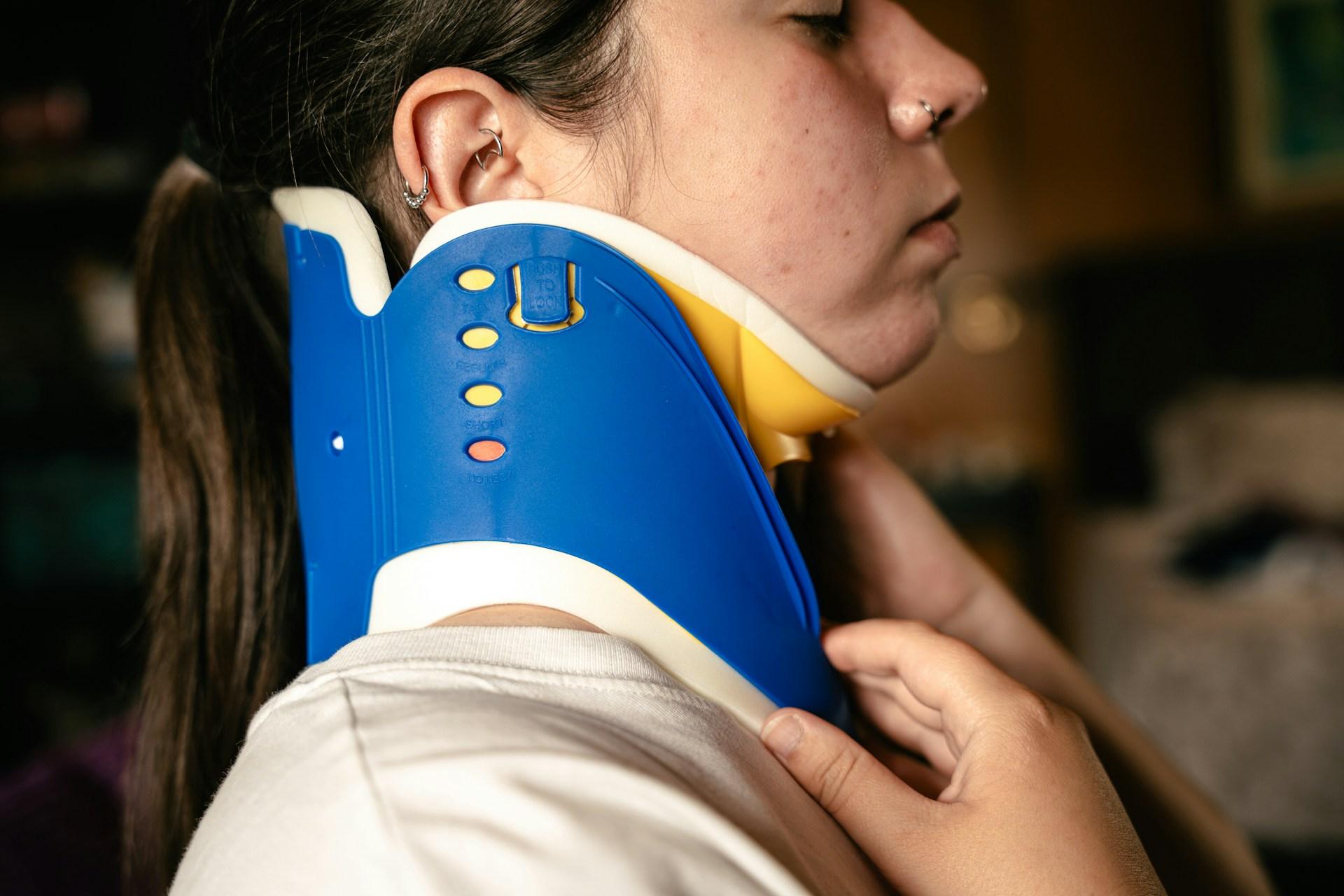
Protecting Your Health After a Crash in Fort Walton Beach
The first 72 hours after a car crash can strongly shape how well you heal later. Some injuries show up right away, but many stay quiet at first, then get worse over a few days. What you do in that early window can affect your comfort, your mobility, and even how long your pain lasts.
Right after a wreck, your body is flooded with adrenaline, shock, and stress. These reactions can hide pain and stiffness, so people often say they are “fine” at the scene, then wake up the next day barely able to turn their head. Waiting to get checked can allow small problems to grow into bigger ones.
A simple, clear game plan helps. You need to know: which symptoms to watch for, what to write down, and when to see an auto accident chiropractor in Fort Walton Beach. Late summer around our area can be a busy driving season, with tourist traffic, holiday weekends, and back-to-school rush. That makes it even more important to understand how to protect your health in those first three days.
First Hour After Impact: Safety, Calm, and Basic Checks
Right after a crash, safety comes first. Before you worry about paperwork or your car, take a quick pause and focus on people. If your vehicle is drivable and it is safe to do so, pull out of traffic, turn on your hazard lights, and stay inside the car until the area is secure.
As soon as you can, check yourself and your passengers. Call 911 when you are unsure. Do not try to “tough it out” if something feels wrong. Red flag symptoms to watch for right away include:
- Heavy bleeding or deep cuts
- Severe headache or confusion
- Chest pain or trouble breathing
- Obvious broken bones or deformity
- Numbness, tingling, or weakness in arms or legs
If you can safely move around, start basic documentation at the scene:
- Photos of vehicle damage, skid marks, and surroundings
- Photos of any visible bruises or cuts
- Names, contact information, and insurance info for all drivers
- Names and phone numbers for any witnesses
- The responding officer’s name and report number if one is made
Stay as calm as you can. Keep your words simple and factual. Avoid arguing or admitting fault. When paramedics or officers ask about symptoms, do not downplay them just to get home faster. Even mild neck pain or a slight headache is worth mentioning.
Hours 2 to 24: Hidden Symptoms and Essential Documentation
Over the next several hours, your body starts to respond to the impact. Inflammation can build, muscles can tighten, and your nervous system can shift out of “emergency mode.” This is when many people begin to feel that something is off.
Delayed symptoms that often show up within the first 24 hours include:
- Neck stiffness or loss of motion
- Headaches at the base of the skull or behind the eyes
- Jaw soreness or clicking
- Shoulder, mid-back, or low-back pain
- Dizziness, nausea, or feeling “spaced out”
- Brain fog, trouble focusing, or feeling unusually tired
Start a simple symptom log the same day, even if pain is mild: write down what you feel, when it started, where it is in your body, what you were doing, and what makes it better or worse. Also note if you have trouble falling asleep or staying asleep that first night.
Seeing a medical professional within the first 24 hours helps protect your health and your injury claims. Even if the ER says your X-rays or CT scans look clear, that only shows some types of problems, not all. Soft tissue injuries often show more in your symptoms and movement than in early imaging.
Be sure to keep:
- ER or urgent care discharge papers
- Medication or therapy instructions
- Copies of any imaging reports if you are given them
- Notes on any work or activity restrictions
These records can give an auto accident chiropractor in Fort Walton Beach a clearer picture of what happened and how your body responded in the first day.
Hours 24 to 72: When Chiropractic and Integrative Care Matter Most
From day one to day three, soft tissue injuries usually become more noticeable. It is common to feel sore, but “stiff and sore” is not always normal, especially if it is not improving or is getting worse. Whiplash, sprains, muscle strains, and irritated discs can all show up strongly during this window.
A chiropractor who works with auto accident cases can check:
- Alignment of your spine and other joints
- How well your neck, back, and shoulders move
- Areas of muscle guarding or spasm
- Nerve irritation that might cause pain, tingling, or weakness
Early care may help limit long-term stiffness, headaches, and flare-ups that pop up weeks or months later. The goal is not just short-term relief, but better movement and support for healing.
At White Sands Integrative Medical, our team in Fort Walton Beach uses an integrative approach. Chiropractic care is combined with non-surgical pain management options, physical rehabilitation exercises, and regenerative therapies. We focus on finding what is driving the pain and dysfunction, not only masking symptoms.
Sometimes, auto accident injuries need co-management. A chiropractor may suggest:
- Additional imaging, such as MRI, if your symptoms point to deeper issues
- A medical pain management visit for certain types of acute pain
- Referral to another specialist if needed
When your care is coordinated, your documentation is usually stronger too. Clear notes and consistent treatment records often support both your recovery and any insurance or legal processes.
Florida Insurance, PIP Deadlines, and Why Timing Matters
Florida uses Personal Injury Protection, often called PIP. One key rule is timing. To keep PIP benefits available, you generally must seek initial medical care within a set number of days after the crash. Waiting too long can affect coverage, even if pain shows up later.
Providers who typically qualify under PIP can include medical doctors and chiropractic physicians. Getting an early visit on record can help show that your injuries are related to the crash, not something that started weeks later. Chiropractic and integrative care can then build on that first visit and keep your records consistent.
Common insurance pitfalls after a crash include:
- Long gaps between visits
- Ignoring “small” symptoms until they are severe
- Skipping or ignoring provider recommendations
- Losing receipts or medical paperwork
To stay organized, many people find it helpful to keep:
- A folder or digital file with all medical notes and bills
- Photos of injuries that change over time, like bruises
- A log of mileage to appointments
- Copies of letters or emails from insurers or attorneys
Setting Up a Strong Recovery Plan Beyond Day Three
If pain is still present after three days, do not just wait for it to magically go away. Healing from an auto accident often takes steady, guided care. A common recovery roadmap over the next 4 to 12 weeks might include chiropractic care, focused rehab exercises, and simple lifestyle changes to protect your spine and joints.
For many crash patients, the main problem areas are:
- Whiplash and neck pain
- Mid-back and low-back pain
- Shoulder, hip, or knee strain from the impact or seat belt
At White Sands Integrative Medical, we build care plans that match your injuries, your work, and your daily life. That may include gentle spinal adjustments, muscle and joint therapies, and rehab plans to help you get back to driving, working, and enjoying normal activities safely.
It is also smart to ask every provider clear questions, such as:
- What timeline should I expect for improvement?
- What can I safely do at home between visits?
- How often should I come in at first?
- How will we know if this treatment plan is working?
Late summer and early fall around Fort Walton Beach can mean longer drives, busy school schedules, and plenty of time in the car. Plan ahead for breaks, keep good posture while driving, and be mindful of fatigue. These small habits can support your healing as you move past those first intense 72 hours and into full recovery.
Get The Care You Need After Your Auto Accident
If you are in pain or feeling unsure after a collision, our team at White Sands Integrative is ready to help you understand your options and guide your recovery. Start by exploring how an auto accident chiropractor in Fort Walton Beach can support your healing, documentation, and long-term wellness. When you are ready to take the next step, reach out so we can review your situation and recommend a personalized care plan, or contact us to schedule your visit.
Recent Blogs
Fort Walton Beach Well-being: Enhance Health with Physical Therapy
Welcome to White Sands Integrative Medical, where we are committed to helping our Fort Walton Beach community achieve optimal health and well-being. Today, we want…
Learn more: Fort Walton Beach Well-being: Enhance Health with Physical TherapyWave Goodbye to Pain: The Healing Power of Shockwave Therapy
In the heart of Fort Walton Beach, FL, White Sands Integrative Medical is at the forefront of providing innovative treatments to help you manage pain…
Learn more: Wave Goodbye to Pain: The Healing Power of Shockwave TherapyRevitalize Your Health: The Power of PRP Injections at White Sands Integrative Medical
Welcome to White Sands Integrative Medical, your trusted chiropractic clinic in Fort Walton Beach, FL. As the leading provider of integrative medical solutions in the…
Learn more: Revitalize Your Health: The Power of PRP Injections at White Sands Integrative Medical
Ready to Feel Better?
Schedule your visit at White Sands Integrative Medical in Fort Walton Beach, FL or call our team with any questions.